April 7, 2026
Hydraulic systems serve as the powerhouse for modern industrial operations, providing the force necessary for heavy lifting and precision movement. However, even the most robust components eventually succumb to high-pressure environments. Recognizing early warning signs of failure is essential for maintaining operational safety and efficiency while avoiding the high costs of downtime. Identifying these critical indicators signals that professional hydraulic cylinder repair is necessary to maintain peak equipment performance and operational reliability.
1. External Fluid Leakage Around the Rod Seal
The most visible indicator that your equipment requires hydraulic cylinder repair is the presence of fluid weeping around the cylinder rod. While a thin film of oil is necessary for lubrication, active drips suggest that the rod seals have been compromised. Seals are frequently the first point of failure due to friction and environmental contaminants. When these barriers fail, the system loses the pressure necessary to maintain force, leading to a noticeable drop in performance.
Beyond fluid loss, external leaks create a gateway for contaminants to enter the internal environment. As the rod retracts, it can pull dust or moisture back through a damaged seal, which then circulates through the entire hydraulic circuit. This cross-contamination can lead to abrasive wear on valves and pumps, turning a localized seal issue into a systemic catastrophe.
Professional intervention guarantees that not only is the seal replaced, but the rod itself is inspected for the infinitesimal scratches that often cause seal failure. Ignoring a small leak is a risky strategy, as it is often a precursor to a total blowout. By addressing leaks through professional repair early, you protect the integrity of the pressure vessel and maintain a clean, safe operating environment.
2. Unusual Noises and Systematic Vibrations
A healthy hydraulic system should operate with a consistent, rhythmic hum. If you begin to notice banging, knocking, or high-pitched squealing, the cylinder is likely experiencing internal distress. These sounds are often the result of aeration or cavitation, where air bubbles or vacuum pockets form within the fluid. When these bubbles collapse under pressure, they create micro-shocks that erode the internal metal surfaces of the cylinder.
According to Parker Hannifin, hydraulic cylinders can last up to 50% longer if they receive preventive maintenance than those that don't. This underscores the importance of listening to your machinery; these noises are signals that internal components are grinding against one another. Vibrations accompanying these sounds equally raise a red flag, as they often point to a bent piston rod or misalignment, putting uneven pressure on the bearings.
Professional diagnostics are required to determine the root cause of these acoustic anomalies. While it might be tempting to simply top off fluid, noises often indicate that internal components like the piston wear rings have already sustained damage. A specialized machine shop can hone the barrel and check the rod for straightness. Opting for hydraulic cylinder repair at this stage prevents vibration from damaging the entire machine assembly.
3. Noticeable Loss of Power or "Drifting"
When a cylinder can no longer hold its position under load, it is experiencing "drifting." This occurs when fluid bypasses internal piston seals, allowing the rod to retract or extend slowly even when valves are in the neutral position. Drifting is a clear sign that internal seals are worn or that the cylinder barrel has become out of round. If your machinery is struggling to lift loads it previously handled with ease, internal bypass is the most probable culprit.
The loss of power is not just an inconvenience; it represents a significant drop in thermal efficiency. As fluid is forced through damaged seals or past scarred barrel walls, it generates excessive heat. This heat thins the hydraulic oil, further reducing its lubricating properties and creating a feedback loop of degradation. A professional repair service will perform a pressure test to identify exactly where the bypass is occurring.
Furthermore, sluggish performance can lead to operator frustration and over-driving the pump to compensate for the cylinder’s weakness. This puts unnecessary stress on the entire drivetrain. In a professional repair setting, technicians analyze the wear patterns on the piston. Addressing these issues through comprehensive hydraulic cylinder repair restores the original lifting capacity so the machine operates within its designed safety parameters.
4. Discoloration or Burnt Odor of Hydraulic Fluid
The condition of the hydraulic fluid is a window into the health of the cylinder. If the oil appears dark, cloudy, or smells burnt, the system is running too hot. Excessive heat is often caused by internal friction or fluid slipping past seals at high velocity. High temperatures oxidize the oil, creating a varnish-like sludge that coats the internal surfaces. This sludge increases friction and can cause the piston to move erratically.
When fluid reaches these temperatures, it loses the chemical additives that prevent corrosion. This means that even if the cylinder seems to be moving, the metal-on-metal contact inside is significantly higher than it should be. Professional hydraulic cylinder repair involves more than just fixing hardware; it includes a thorough cleaning of internal components to remove this harmful oxidation.
Contaminated or overheated fluid can also cause seals to harden and crack. A professional shop will have the facilities to flush the system and verify that the repaired cylinder is reinstalled with fluid that meets manufacturer specifications. By opting for repair when fluid degradation is first noted, you protect the high-value machining of the cylinder barrel and piston, allowing heat to dissipate properly during heavy-duty cycles.
5. Scoring or Pitting on the Cylinder Rod
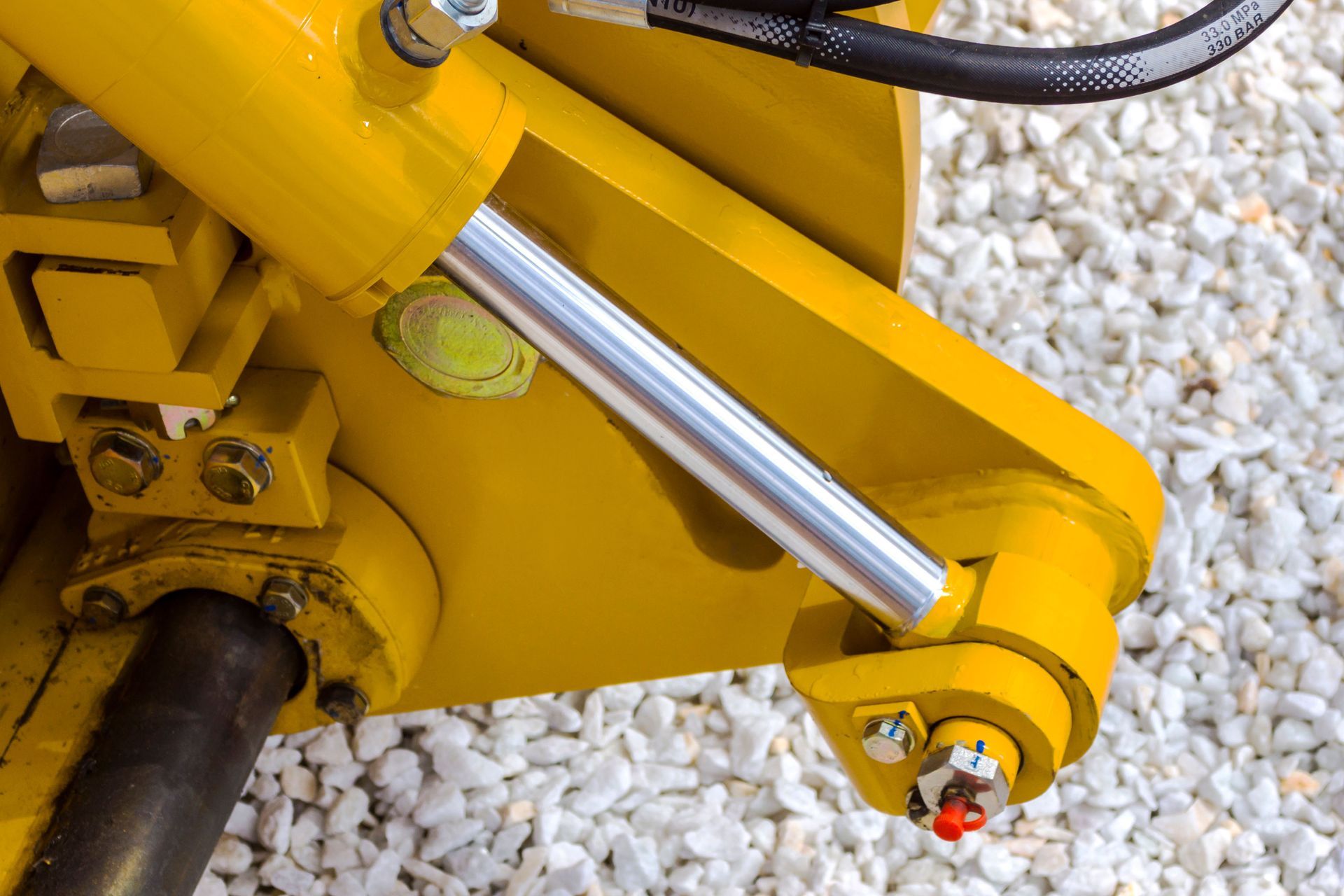
The rod is the most exposed part of the hydraulic cylinder, making it susceptible to physical damage. If you observe deep vertical scratches (scoring) or small indentations (pitting) on the chrome surface, the cylinder needs attention. Scoring is usually caused by trapped debris, while pitting is often the result of corrosion. These surface defects act like a file, shredding the seals every time the rod moves, which leads to persistent fluid loss.
A damaged rod cannot simply be polished back to health in the field. Professional hydraulic cylinder repair often involves specialized machining processes such as "strip and chrome." This process removes the damaged outer layer, applies a new layer of industrial hard chrome, and grinds it back to the precise tolerances required for a hydraulic seal. This restoration is crucial because even a microscopic burr can compromise a new seal in hours.
Neglecting rod damage can eventually lead to the rod seizing within the gland. If the rod becomes sufficiently damaged, it can also lead to catastrophic seal failure and an environmental spill. By sending the unit for repair at the first sign of surface irregularities, you preserve the core components. Professional oversight confirms that the rod is functionally sound, providing a reliable surface for the seals to glide over for thousands of future cycles.
Maintaining the integrity of your hydraulic systems requires a vigilant eye and a commitment to quality service. When symptoms like drifting or visible leakage appear, the window for a cost-effective fix is narrowing. Assigning these complex components to experts guarantees that each cylinder is restored to original specifications through precise machining. Ultimately, investing in professional hydraulic cylinder repair is the most reliable way to safeguard your equipment’s longevity, protect your personnel, and maintain the seamless productivity that your industrial operations depend on for long-term success. Visit Kingdom Builders Machining and Hydraulics to discover how specialized expertise and precision machining can restore your equipment to peak operational efficiency.