May 11, 2026
Hydraulic systems serve as the lifeblood of heavy industrial machinery, providing the immense force required for construction, manufacturing, and mining operations. When a cylinder fails, the resulting downtime halts productivity and drains resources. Professional restoration processes remain the most effective way to return these vital components to their original specifications.
Assessing the Damage to Internal Components
The first stage of professional restoration involves a meticulous teardown and inspection of every internal part. Technicians look for signs of scoring on the rod, pitting in the barrel, or degradation of the piston seals. This diagnostic phase identifies the root cause of failure, which often stems from fluid contamination or extreme side loading. By identifying these issues early, specialists can determine exactly which hydraulic cylinder repairs are necessary to prevent a recurrence of the same mechanical failure.
Precision measurement tools are utilized to check for roundness in the barrel and straightness in the rod. Even a microscopic deviation from the original design can lead to premature seal wear and pressure loss. Because these components operate under thousands of pounds of pressure per square inch, the margin for error is nonexistent. Professionals use these measurements to create a comprehensive blueprint for the restoration process.
During this assessment, experts evaluate the economic viability of the project to help fleet managers make informed decisions. According to Fluid Power World, generally, repairing hydraulic machinery should happen if the cost is under 60 to 70% of the cost of buying a new component. This benchmark allows for a clear path forward where the focus remains on high-quality restoration rather than simple patches. The objective is to bring the unit back to a state that rivals a completely new assembly in both durability and output.
Restoring the Rod and Piston Surfaces
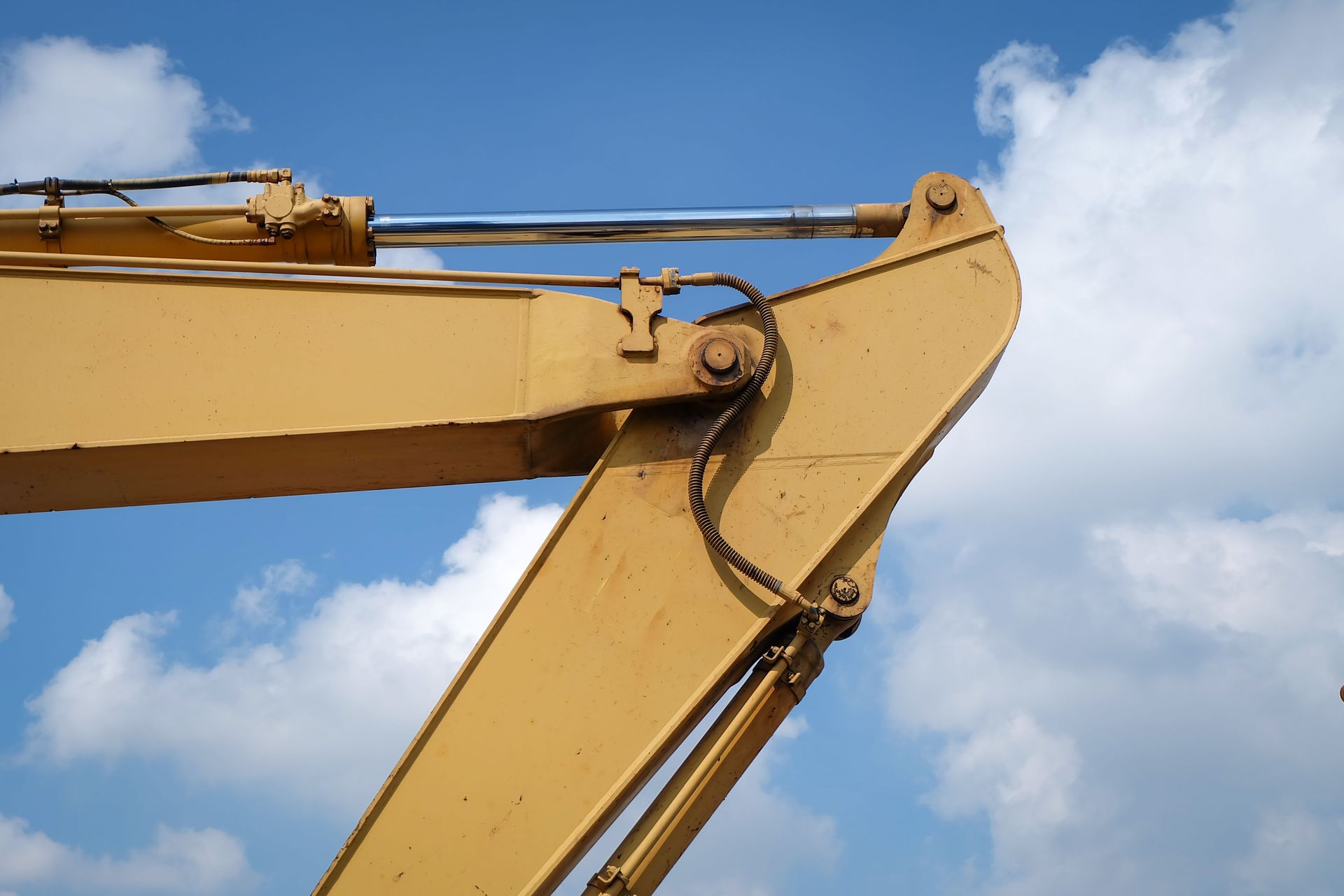
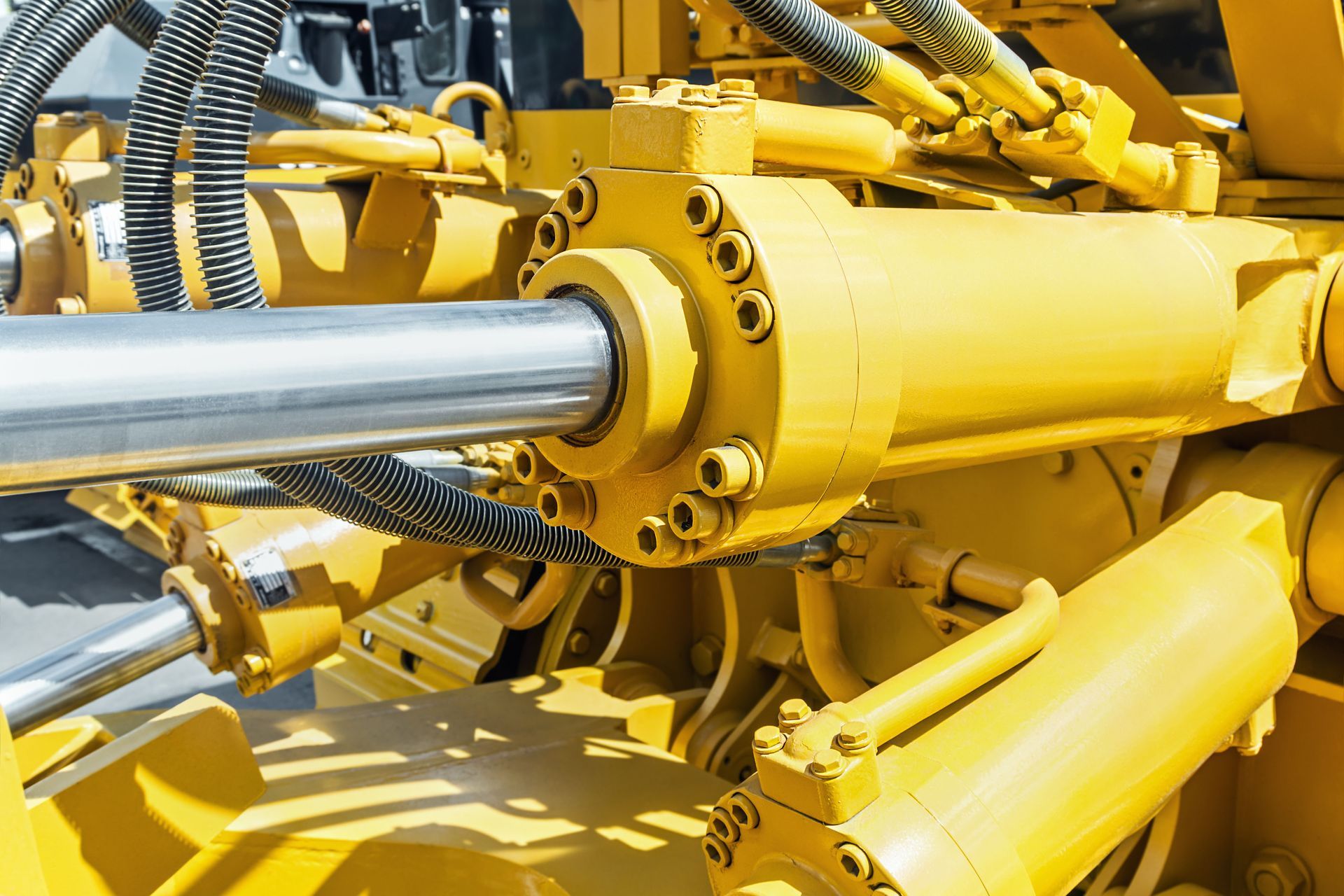
The cylinder rod is often the most vulnerable part of the assembly because it's constantly exposed to the external environment. Professional hydraulic cylinder repairs involve stripping old chrome and inspecting the base metal for cracks or deep gouges. If the rod is bent, it must be straightened using specialized presses or replaced entirely with high-strength induction-hardened material. A straight rod is essential for maintaining the alignment of the entire system during extension and retraction cycles.
Surface finishing is the next critical step in the restoration process. Technicians apply industrial-grade plating, typically hard chrome, to provide corrosion resistance and a smooth surface for the seals to glide over. Following the plating process, the rod undergoes precision grinding and polishing to achieve a specific micro finish. This surface texture is vital because it holds a microscopic film of oil that lubricates the seals, reducing friction and heat buildup during heavy use.
The piston also requires careful attention to confirm it remains perfectly square to the rod. Any misalignment here will cause uneven wear on the wear bands and the inner walls of the barrel. Specialized machining tools are used to refurbish seal grooves and remove any burrs or sharp edges that could damage new soft goods during installation.
Honing the Barrel for Optimal Pressure Control
The interior of the cylinder barrel must be perfectly cylindrical and smooth to maintain a consistent pressure seal. Over time, the movement of the piston can create "bell mouthing" or deep scratches inside the tube. Professional hydraulic cylinder repairs utilize vertical or horizontal honing machines to remove these imperfections. Honing creates a cross-hatch pattern on the inner surface, which is necessary for proper oil retention and seal lubrication, much like the cylinder walls of an internal combustion engine.
If the damage to the barrel is too serious for honing alone, the tube may require boring or complete replacement. A compromised barrel leads to internal bypassing, where hydraulic fluid moves past the piston seals. This results in "drifting," where the equipment cannot hold its position under load, creating a significant safety hazard and a loss of precision. Machining the barrel back to its correct inner diameter allows the piston to move with minimal resistance while maintaining a perfect seal against the walls.
Strict quality control during the honing process prevents the barrel from becoming oversized beyond the limits of standard seal kits. If the inner diameter becomes too large, custom seals must be machined to fit the new dimensions. By maintaining tight tolerances through expert machining, the cylinder regains its ability to generate maximum force.
Replacing Seals and Bearings for Longevity
High-performance seals are the primary defense against both external leaks and internal pressure loss. In the course of hydraulic cylinder repairs, every single seal, O-ring, and wear band is replaced with new components that meet or exceed the original equipment manufacturer specifications. Modern seal technology offers various materials, such as polyurethanes and nitriles, which are selected based on the specific operating temperatures and fluid types of the machinery. Proper seal selection is the key to preventing future fluid loss.
Bearings and bushings within the cylinder head and eyelets also undergo a full replacement. These components absorb the mechanical stress and pivot points of the equipment. When bushings wear out, they create slop in the linkage, which leads to side loading on the cylinder rod. Side loading is a leading cause of rod bending and seal failure. By installing new, high-tolerance bushings, the mechanical alignment of the cylinder remains true, protecting the more expensive internal components from unnecessary stress.
The assembly process is conducted in a controlled environment to prevent contamination. Even a small grain of grit introduced during assembly can scar a newly honed barrel or tear a fresh seal. Technicians use specialized tools to install seals without stretching or nicking them. This clean room approach to hydraulic cylinder repairs confirms that the unit is pristine when it is closed up. A clean assembly is the only way to verify that the hydraulic system remains free of debris that could damage pumps or valves elsewhere in the machine.
Testing the Unit Under Full Load Conditions
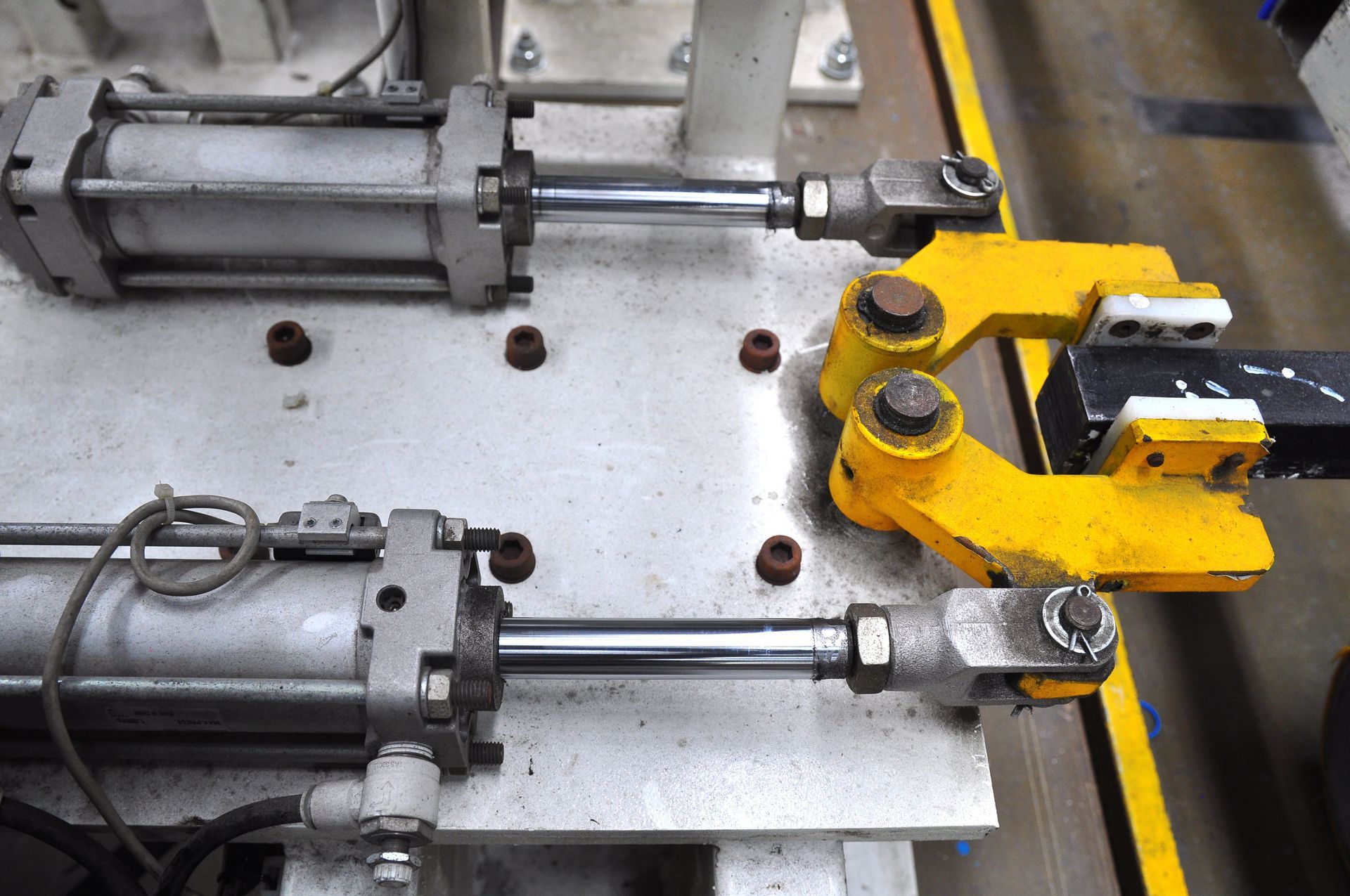
The final stage of a professional restoration is dynamic testing on a hydraulic test bench. This process involves cycling the cylinder multiple times at its rated working pressure to check for leaks. It is not enough to simply see if the rod moves; the unit must be tested for internal bypassing by holding pressure against the end caps. Professional hydraulic cylinder repairs are only considered complete once the unit demonstrates that it can hold a static load without any drop in pressure over a set period.
During the test phase, the technician monitors the "breakout pressure," which is the amount of pressure required to initiate movement. A high breakout pressure indicates excessive friction or misalignment within the assembly. By fine-tuning the components during this stage, the shop verifies that the cylinder will operate smoothly across its entire stroke.
After passing the pressure tests, the cylinder is painted and prepped for shipping. The ports are plugged to prevent any dirt from entering the system during transport. This rigorous testing protocol acts as a final filter, catching any minor issues before the part ever reaches the job site. When a machine is put back into service after such intensive hydraulic cylinder repairs, the operator can expect the same level of responsiveness and power that the equipment provided when it was originally manufactured.
Restoring hydraulic components through professional machining and specialized repair techniques is a vital strategy for maintaining industrial productivity. By focusing on precision tolerances and high-grade materials, these processes eliminate leaks and restore mechanical integrity. Investing in quality restoration allows heavy machinery to continue performing at peak capacity, so reach out to Kingdom Builders Machining and Hydraulics to protect your equipment.