November 9, 2026
Hydraulic equipment plays an essential role in keeping construction, manufacturing, and industrial operations running smoothly. When a hydraulic cylinder fails, even a single malfunctioning component can bring important equipment to a standstill. Understanding the common causes of failure, recognizing early warning signs, and knowing how to respond can help businesses minimize downtime. Timely hydraulic cylinder repair also helps protect equipment, control maintenance costs, and restore reliable performance.
Understanding Hydraulic Systems
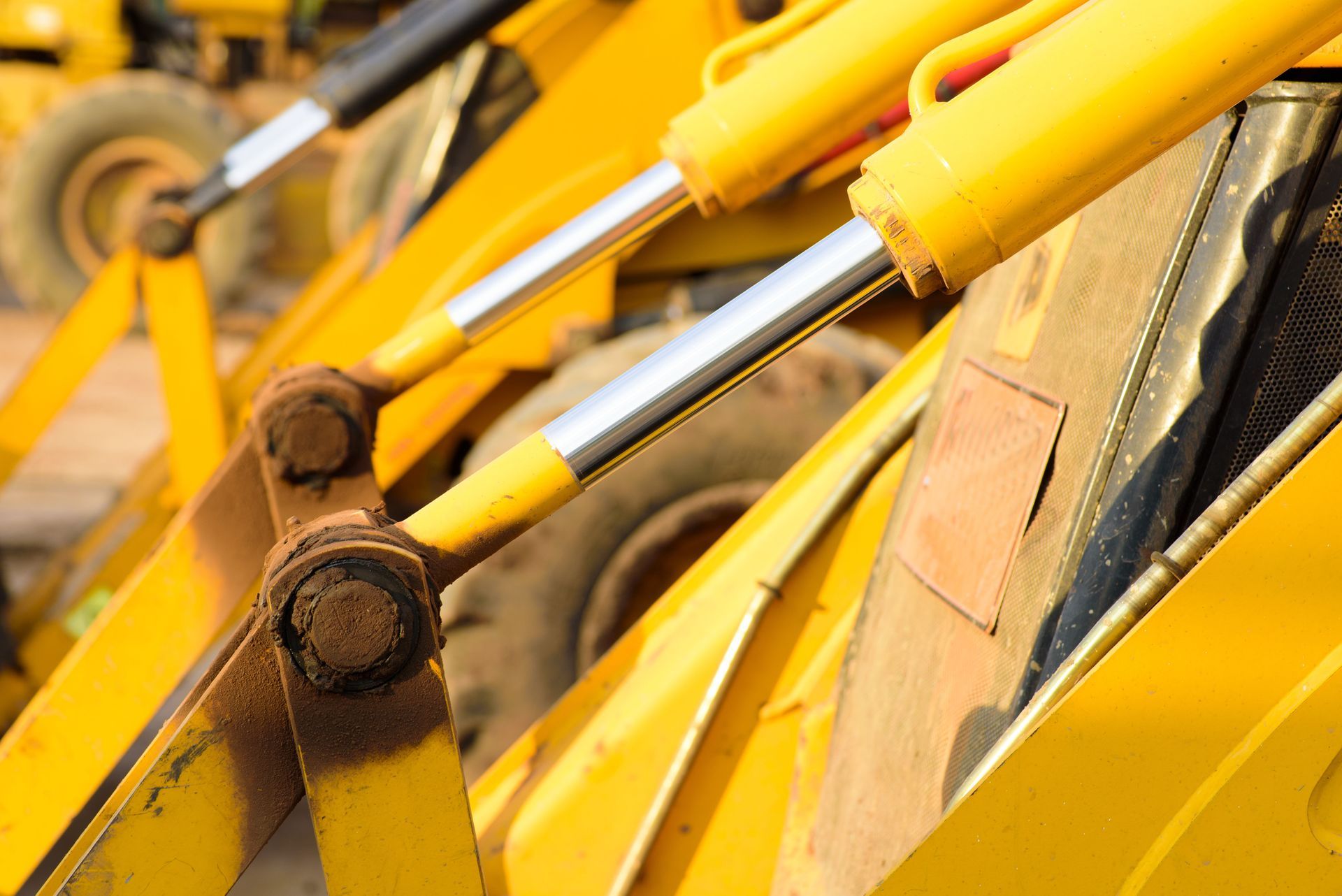
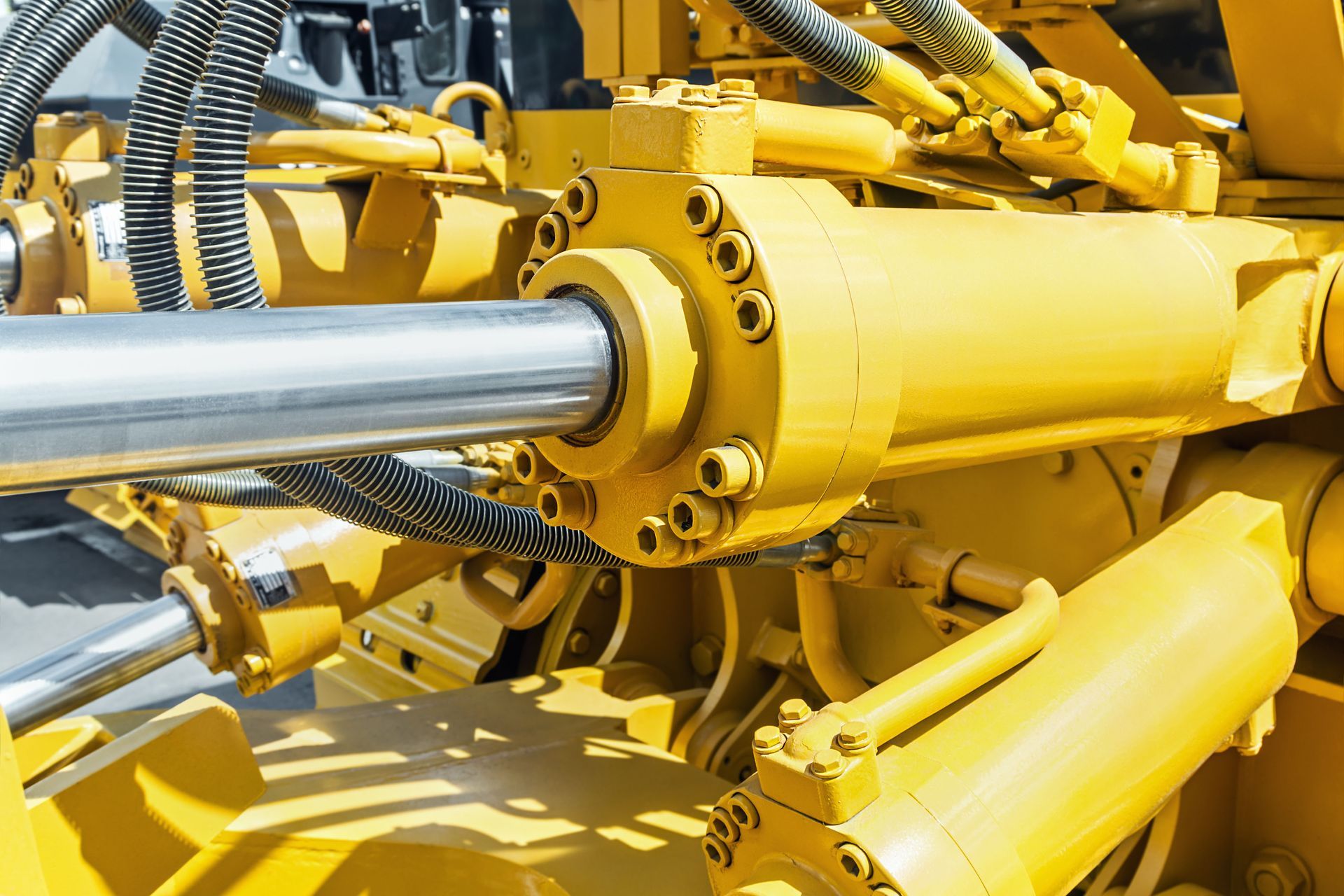
Hydraulic cylinders convert hydraulic energy into mechanical force, making them essential in construction, manufacturing, logistics, and other industries. Their primary components include the cylinder barrel, piston, piston rod, and seals. The piston moves within the barrel to generate linear force, while the seals prevent fluid leakage and maintain system pressure. When any of these components deteriorate, equipment performance can decline quickly.
Regular maintenance helps prevent unexpected breakdowns. Piston rods should be inspected for scratches, corrosion, and excessive wear, while seals must be checked for leaks and deterioration. The cylinder barrel should also remain free from internal damage and contamination. Addressing these concerns early can reduce the need for emergency hydraulic cylinder repair and extend equipment service life.
Recognizing Different Cylinder Types
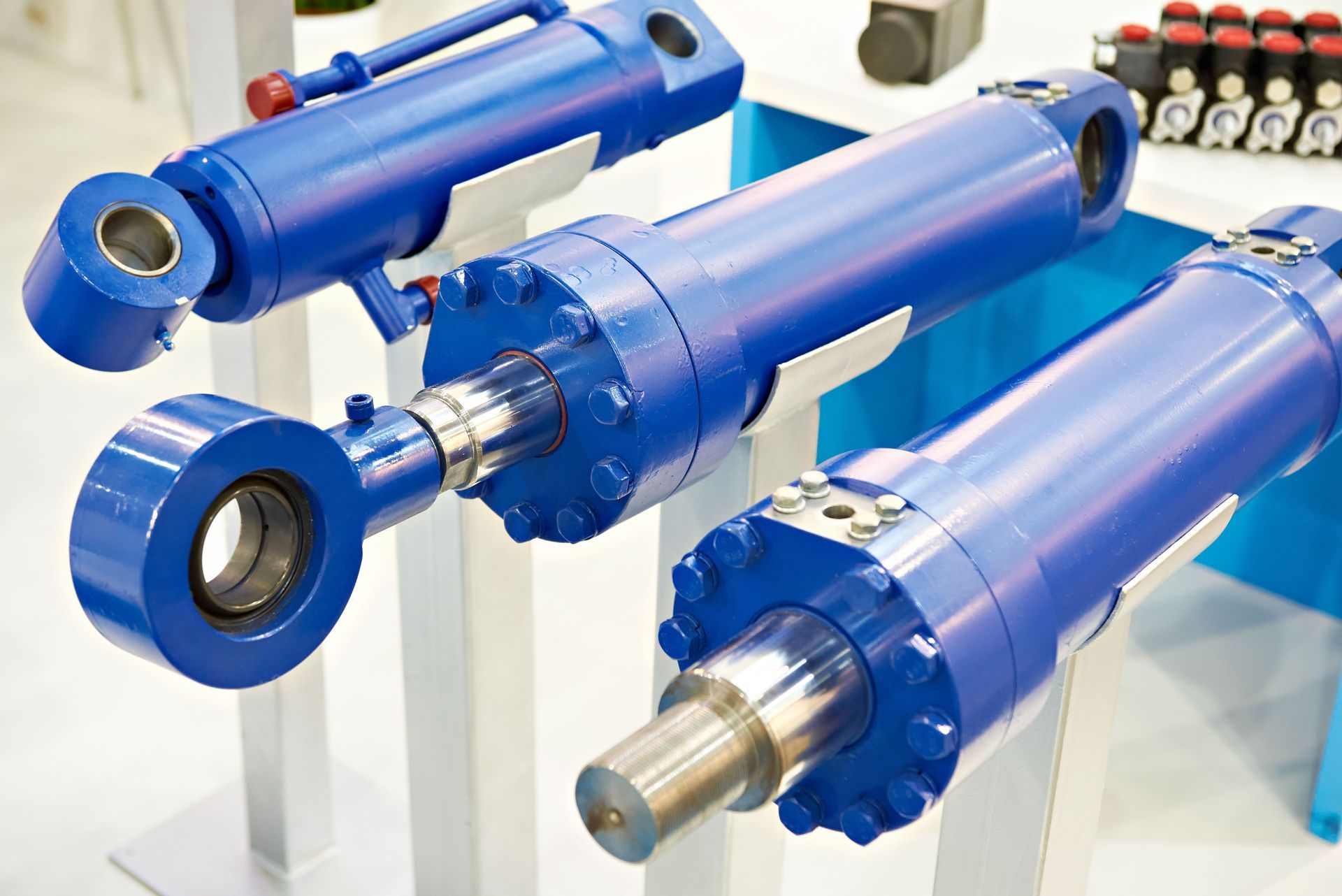
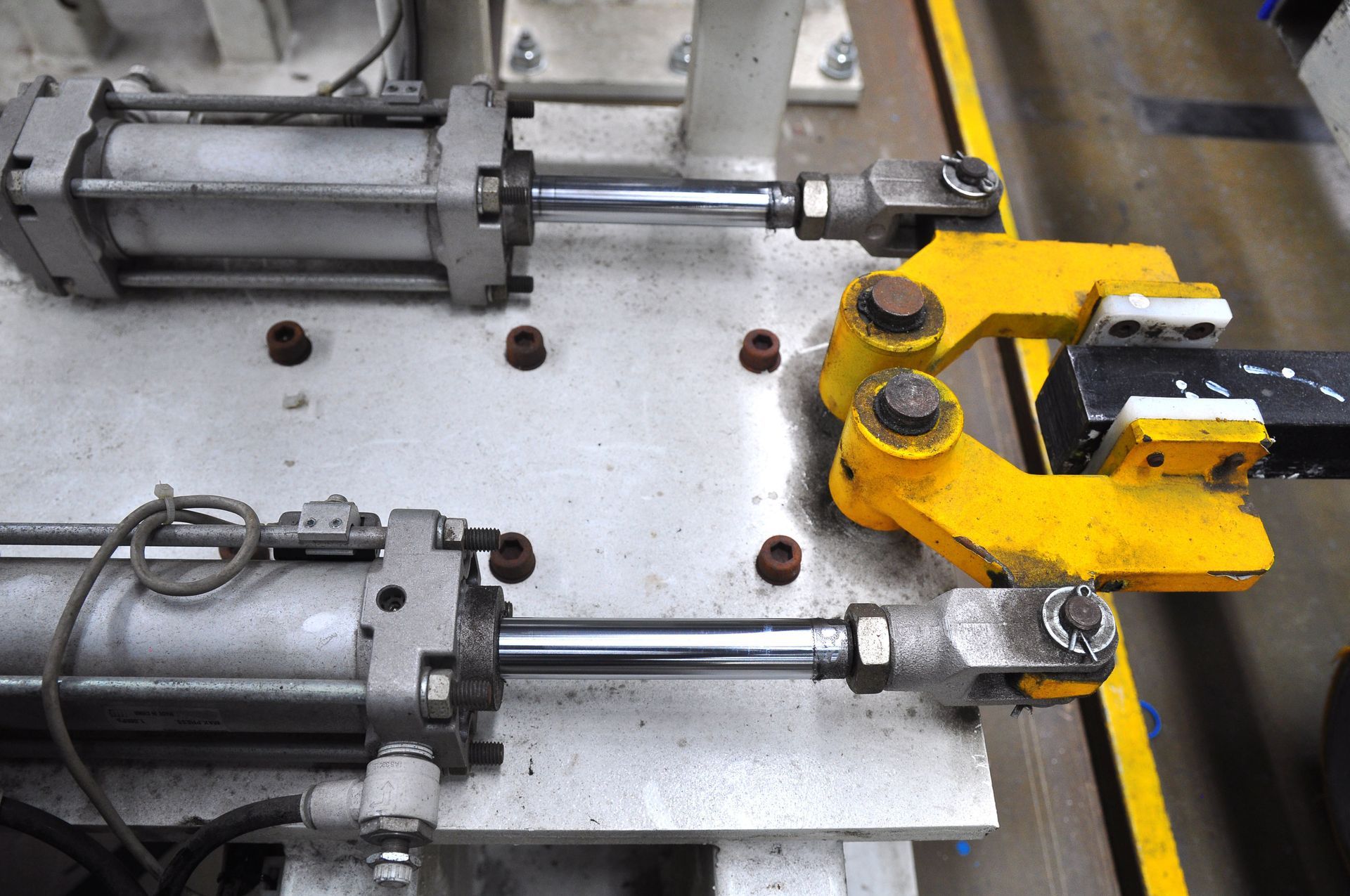
Hydraulic cylinders come in several designs suited to different applications. Tie-rod cylinders are common in industrial machinery because they are relatively easy to maintain and disassemble. Welded body cylinders feature a compact, durable construction that makes them suitable for mobile equipment and demanding environments. Telescopic cylinders use multiple nested stages to provide extended reach in limited spaces, making them useful in dump trucks and lifting equipment.
Choosing the appropriate cylinder depends on factors such as load capacity, stroke length, operating pressure, and environmental conditions. Using a cylinder that cannot handle the demands of an application can contribute to premature failure. Understanding these differences also helps maintenance teams identify the appropriate service and hydraulic cylinder repair requirements when problems arise.
Maintaining Reliable Hydraulic Performance
Hydraulic systems support essential machinery functions, including lifting, pushing, pulling, and pressing. Excavators, loaders, cranes, manufacturing presses, forklifts, and freight-handling equipment all depend on controlled hydraulic movement. A cylinder malfunction can therefore interrupt several stages of an operation and create expensive delays.
Preventative maintenance is one of the most effective ways to reduce these disruptions. Hydraulic fluid should be monitored for contamination, discoloration, and changes in performance. According to Equipment Journal, hydraulic oil should be replaced every 3,000 operation hours. Technicians should also inspect hoses, connections, filters, and seals to identify developing problems before they affect the entire system.
Common warning signs include unusual knocking or hissing noises, slower operating cycles, fluid leaks, inconsistent pressure, and erratic cylinder movement. Overheating can also indicate restricted flow, excessive friction, or deteriorating fluid. Recognizing these symptoms early makes it easier to determine whether hydraulic cylinder repair is necessary before a minor problem develops into a major equipment failure.
Identifying Common Causes of Cylinder Failure
Wear and Tear From Regular Operation
Continuous movement and repeated pressure expose hydraulic components to considerable stress. Pistons, rods, seals, and bearings gradually deteriorate through friction and regular use. Repeated loading can also cause material fatigue, potentially resulting in cracks or structural weaknesses. Inspecting these components and replacing worn parts helps prevent unexpected breakdowns.
Operating conditions also influence how quickly components deteriorate. Abrasive environments, extreme temperatures, and corrosive materials can accelerate wear. When damage becomes noticeable, professional hydraulic cylinder repair can address affected components and restore proper operation when the cylinder remains suitable for repair.
Contamination Within Hydraulic Fluid
Contaminated hydraulic fluid can damage internal components and reduce system efficiency. Dirt, water, metal particles, and other contaminants may enter through damaged seals, worn components, or improper fluid handling. These materials can increase friction, damage pumps and valves, and accelerate cylinder deterioration.
Regular filtration and fluid analysis help identify contamination before it causes extensive damage. Filters should be replaced according to maintenance recommendations, and storage containers should remain clean and properly sealed. Following the recommended oil replacement interval also helps protect internal components and reduce unnecessary service interruptions.
Improper Installation and Alignment
Incorrect installation can place unnecessary stress on hydraulic cylinders. Misalignment creates uneven pressure and additional friction, which may lead to seal damage, fluid leakage, and premature component failure. Installation should follow manufacturer specifications, with appropriate tools used to verify positioning and alignment.
Regular alignment inspections can identify developing problems before they cause significant damage. When a cylinder has already been affected, technicians can evaluate the extent of the misalignment and determine which components require attention.
Overloading and External Damage
Operating equipment beyond its recommended load capacity increases pressure and stress throughout the hydraulic system. Overloading can contribute to internal leaks, structural damage, overheating, and premature component fatigue. Operators should follow manufacturer load limits and receive appropriate training on safe equipment operation.
External impacts create another potential source of failure. Dents, cracks, and damaged cylinder rods can interfere with normal movement and compromise seals. Protective guards and routine inspections help reduce these risks. Following an impact, a professional assessment can determine whether hydraulic cylinder repair is appropriate or whether replacement is necessary.
Responding Quickly When Equipment Fails
Conducting an Initial Inspection
When a hydraulic cylinder stops functioning properly, the first priority is identifying the symptoms without creating additional damage. Operators should look for visible leaks, damaged hoses, unusual noises, and changes in cylinder movement. Recording these observations provides useful information for maintenance personnel and helps guide the diagnostic process.
Equipment should be shut down and depressurized before anyone attempts to inspect or service the system. High-pressure hydraulic fluid can cause serious injection injuries, even when a leak appears small. Personnel should never use their hands to search for leaks or attempt to manipulate damaged components while the system remains pressurized.
Maintenance records can also help identify the underlying cause. Previous repairs, operating hours, fluid changes, and recurring performance problems provide valuable diagnostic information. A thorough assessment helps technicians determine whether hydraulic cylinder repair can resolve the issue or whether additional system components need attention.
Following Safe Shutdown Procedures
After identifying a potential failure, operators should follow established shutdown procedures to protect personnel and equipment. This includes deactivating power sources, engaging emergency stops when appropriate, and following lockout/tagout requirements to prevent accidental startup. Stored hydraulic pressure must be released according to manufacturer procedures before inspection or maintenance begins.
Clear communication is equally important. Supervisors and maintenance teams should be informed about the failure, its location, and any immediate safety concerns. Documenting the incident helps establish an accurate service history and supports future maintenance planning.
Arranging Professional Repairs
Once the equipment has been secured, qualified technicians can perform a detailed evaluation of the hydraulic system. Depending on the damage, service may involve replacing seals, repairing or replacing damaged rods, addressing cylinder barrel issues, or correcting alignment problems. Technicians should also investigate the original cause of failure rather than focusing exclusively on the damaged component.
Professional hydraulic cylinder repair can restore equipment functionality while helping prevent recurring problems. Attempting temporary fixes without understanding the underlying issue may lead to additional damage, greater repair expenses, and further downtime. A comprehensive assessment helps determine the most practical solution based on equipment condition and operational requirements.
Preventing Future Hydraulic Equipment Downtime
Establishing a Preventative Maintenance Schedule
Consistent maintenance reduces the likelihood of unexpected hydraulic failures. Inspection schedules should account for operating hours, equipment demands, manufacturer recommendations, and environmental conditions. Checking fluid quality, replacing filters, examining seals, and monitoring cylinder movement can reveal problems before they interrupt operations.
Maintenance teams should also maintain detailed service records. Tracking recurring problems and component replacement intervals makes it easier to recognize patterns and plan necessary maintenance. These practices can reduce emergency service needs and help equipment operate more reliably.
Investing in Timely Professional Service
Ignoring early warning signs can turn manageable maintenance concerns into expensive equipment failures. Unusual noises, inconsistent movement, and fluid leakage should receive prompt attention. Scheduling hydraulic cylinder repair when problems first appear can help limit additional damage and reduce the possibility of prolonged downtime.
When equipment experiences a hydraulic failure, having an experienced machining and hydraulics provider available can make a significant difference. Kingdom Builders Machining and Hydraulics can help businesses address hydraulic equipment concerns and work toward restoring dependable machinery performance. Contact the team to discuss hydraulic service needs and find an appropriate solution for keeping essential equipment operational.