November 25, 2026
When heavy machinery breaks down, deciding whether to repair or replace a faulty part impacts your operational budget. A broken component slows down production and forces business owners to weigh immediate costs against long-term reliability. To make the most cost-effective choice for your machinery, you must compare the financial benefits of local hydraulic cylinder repair with the price of purchasing a brand-new unit.
Spotting Signs of Hydraulic Cylinder Wear
Before committing to any financial decision, you must identify whether your equipment requires a full replacement or a standard tune-up. Hydraulic systems operate under immense pressure, and their parts degrade over time from heavy industrial use. Identifying early warning signs of component failure helps you address problems before they cause catastrophic machinery damage. Look for these four common indicators of wear:
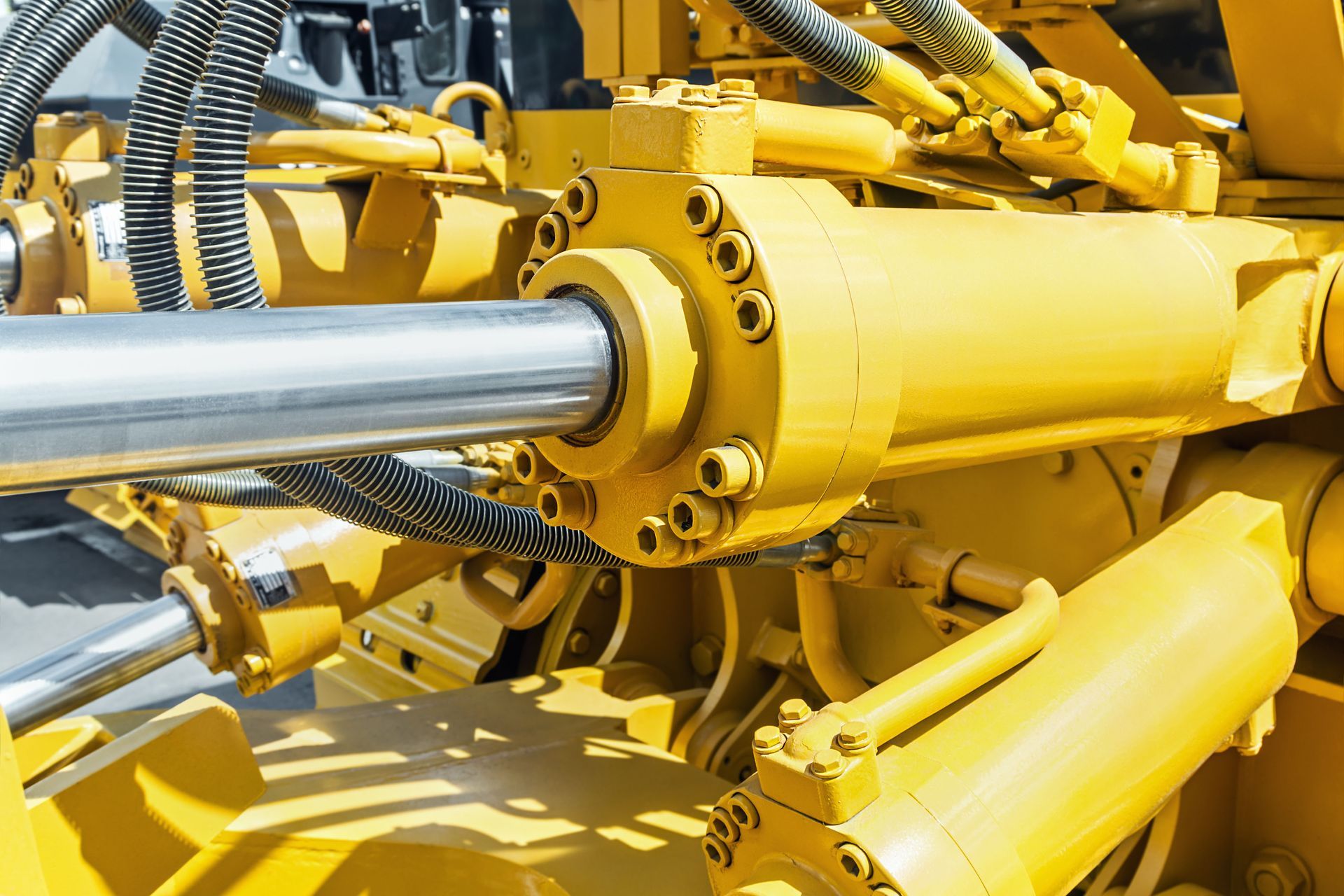
- Fluid leaks: Puddles or steady drips around external seals often point to degraded O-rings, cracked housings, or damaged rod packings that need immediate attention.
- Slow operation: If your equipment operates slower than usual or requires more engine power to complete a standard lift, internal fluid bypassing is likely the culprit.
- Unusual noises: Grinding, squealing, or knocking sounds during extension and retraction suggest internal scoring or misaligned rods scraping against the barrel.
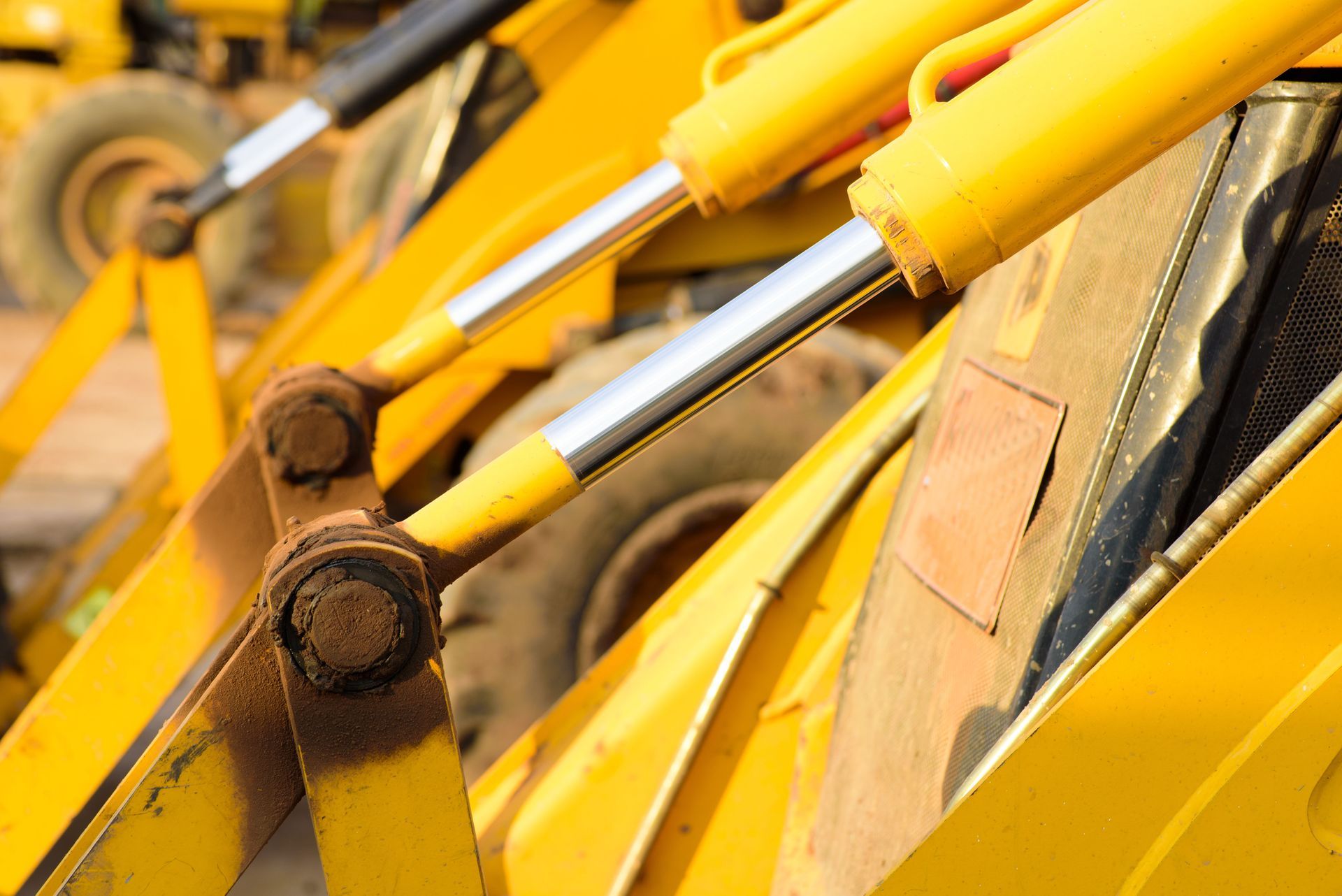
- Physical damage: Visible pitting, deep scratches, or bends on piston rods will destroy new seals and contaminate clean hydraulic fluid.
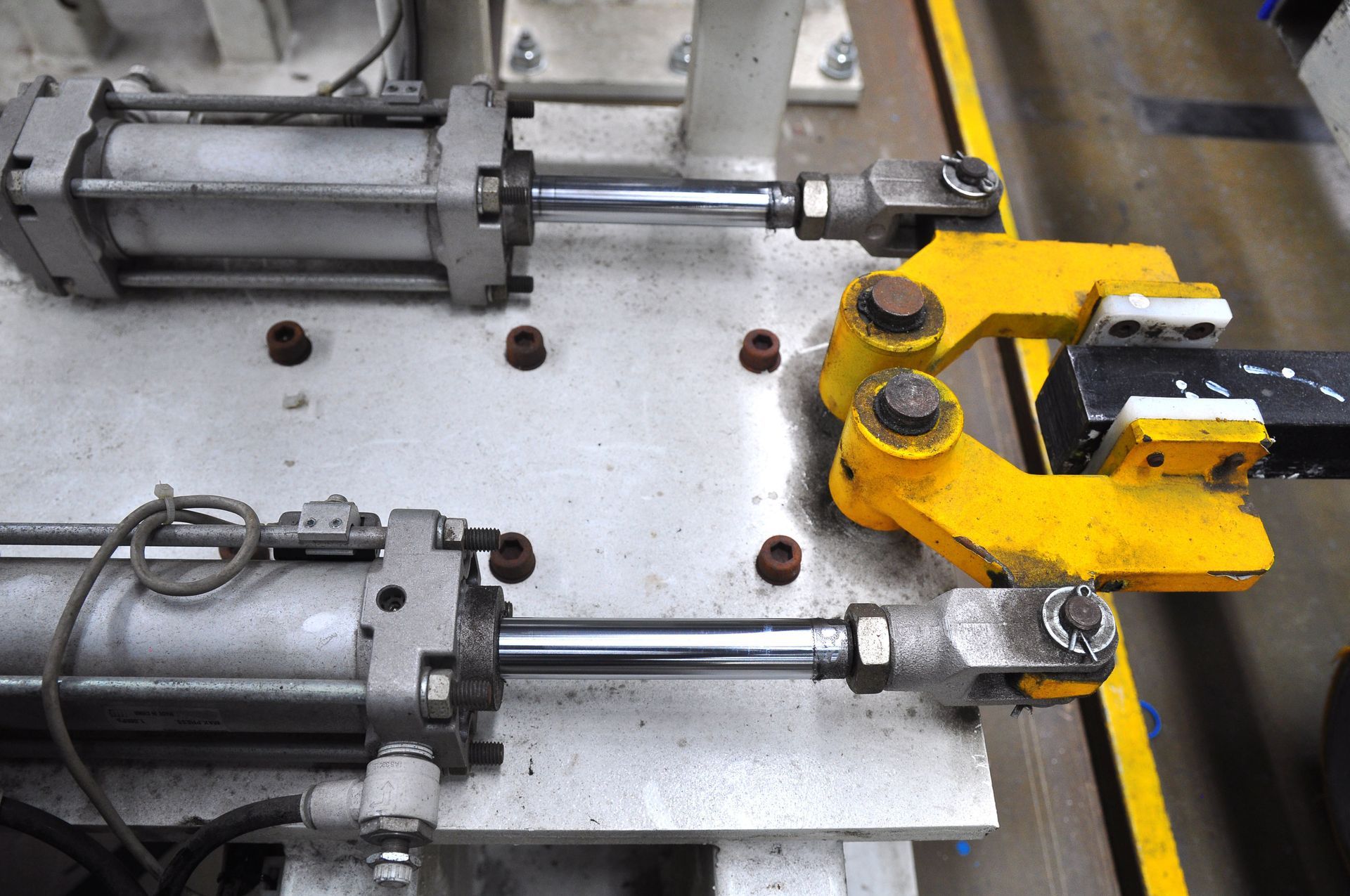
Never attempt a do-it-yourself fix on high-pressure systems. Instead, rely on a professional for local hydraulic cylinder repair to accurately diagnose the root cause of the damage. A trained technician will disassemble the unit, inspect the barrel for wear, and determine if the damage is localized or if the entire structure is compromised. Catching these problems early often means you only need to replace a few seals or re-chrome a single rod, which costs significantly less than purchasing a completely new assembly.
Comparing the Financial Costs of Both Options
The primary debate between fixing and replacing always comes down to the bottom line and which route keeps more money in your company account. According to Globe Newswire, the international hydraulic cylinder market reached a valuation of $14.83 billion and will expand at a compound annual growth rate of 5.7% through 2034. This massive market growth means replacement parts are widely available, but buying new is rarely the most economical choice. A comprehensive local hydraulic cylinder repair costs a fraction of the price of an entirely new unit.
When evaluating the financial side of your machinery maintenance, consider these three critical cost factors:
- Parts and materials: Purchasing a single seal kit or replacement piston ring costs less money than buying a factory-new barrel, rod, and piston assembly from an authorized dealer.
- Labor and machining: Paying a skilled technician to hone a cylinder barrel or thread a new rod is cheaper than covering manufacturing overhead and markups built into new retail prices.
- Shipping and freight: Heavy metal components cost a fortune to ship across the country, whereas dropping off parts at a neighborhood shop eliminates freight fees.
Replacing the unit only becomes the smarter financial decision if the original cylinder is severely damaged, heavily scored, or bent beyond safe tolerances. Patching up a constantly failing component will cost you more money in repeated labor and lost productivity. You must calculate the cost of the repair versus the cost of the replacement, keeping in mind that rebuilding a unit multiple times over two or three years is a poor long-term investment.
Evaluating the Impact of Machinery Downtime
Direct financial expenses are only one part of managing heavy machinery fleets. You also need to calculate the hidden costs of equipment downtime, as every hour your machine sits idle results in lost revenue, delayed projects, and frustrated clients. Ordering a factory-direct cylinder often involves dealing with complicated supply chain delays, backordered parts, and long shipping transit times. If the manufacturer lacks your specific model in stock, you will wait three or four weeks for the replacement to arrive. During that period, you still have to pay operators, cover overhead costs, and potentially rent substitute equipment to keep your project moving forward.
Choosing a local hydraulic cylinder repair drastically reduces this waiting period and gets your machinery back in the dirt much faster. A well-equipped machine shop can typically tear down, diagnose, and rebuild a standard cylinder in just a few days. They keep standard seals, rods, and fittings in stock, cutting out long shipping times associated with out-of-state manufacturers. When you calculate the daily cost of a downed excavator or wheel loader, getting the machine running five days sooner often offsets the entire repair bill. A rapid turnaround protects your project deadlines as well as your profit margins in construction and agriculture.
Considering Custom Cylinder Fabrication Solutions
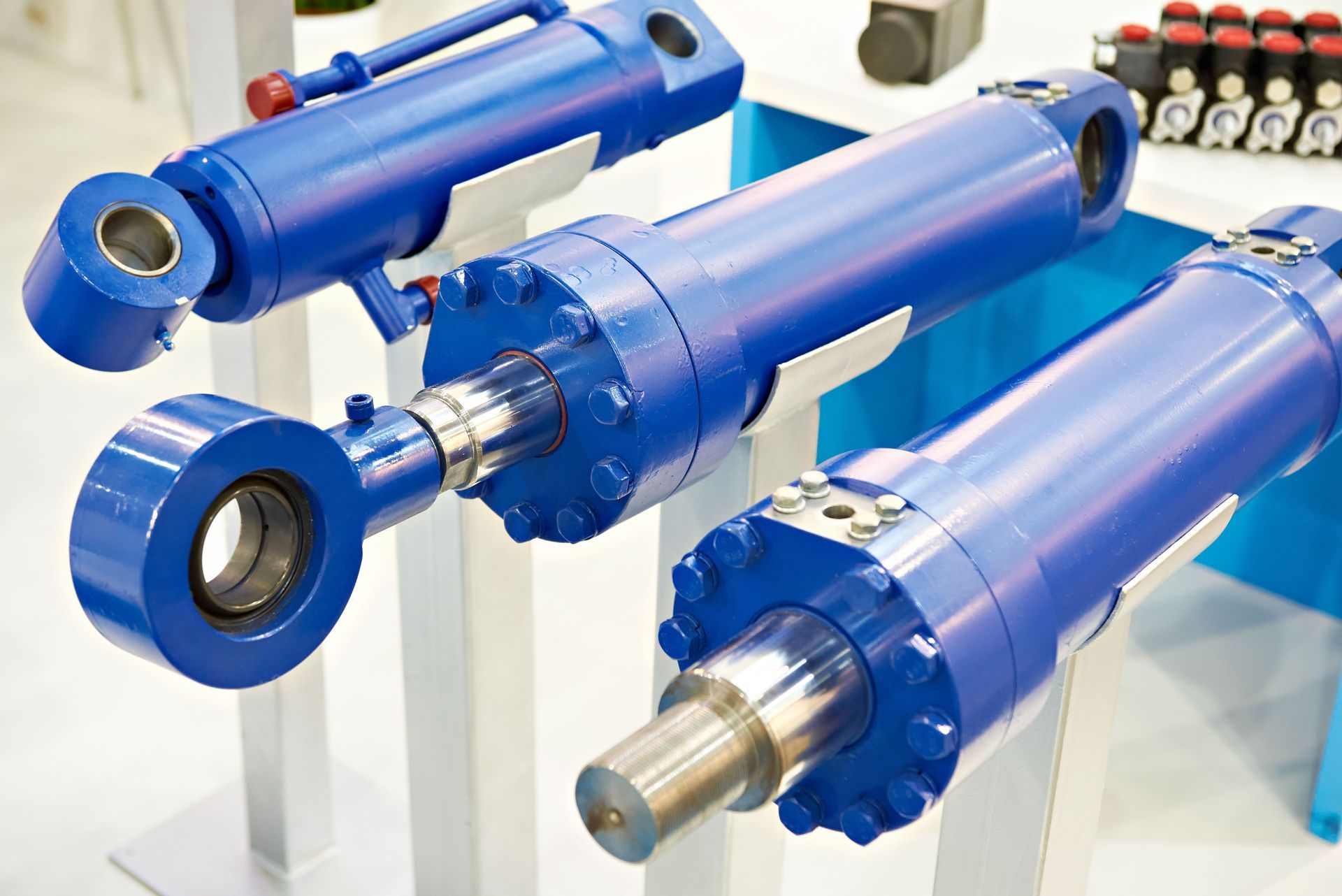
Sometimes, a direct replacement is simply impossible to find on the open market. If you operate older agricultural tractors, discontinued heavy equipment, or highly specific industrial machinery, the original equipment manufacturer often no longer produces the required parts. In these instances, attempting to source a used or aftermarket replacement proves challenging and unreliable. Instead of spending weeks searching for a discontinued item, you can utilize custom cylinder fabrication to solve the problem.
A professional machine shop can reverse-engineer your broken component and fabricate a brand-new cylinder from raw steel. Technicians measure the exact specifications, machine a new barrel, thread the rods, and assemble the unit with modern seals. While custom fabrication requires a higher upfront investment than a standard repair, it provides a perfect fit for rare machinery and eliminates the need to modify equipment to accept a mismatched part. Custom fabrication also allows you to upgrade materials and design, resulting in a stronger component that outperforms the original factory unit. This option bridges the gap between basic repairs and factory replacements, giving you a tailored solution that keeps legacy machinery operational for decades without constantly sourcing rare parts.
Choosing the Right Service Provider for Your Needs
Once you decide on a course of action, you must find a reliable machining and hydraulic shop to handle the work. The quality of the workmanship directly affects how long your equipment will last in the field. When searching for a provider, look for a facility that offers comprehensive services, including custom cylinder fabrication, machining, hydraulic hoses, and heavy equipment repair. Having a single shop that handles fittings, adapters, and full rebuilds saves you the hassle of transporting parts to multiple vendors.
Verify that the shop has a strong reputation for rapid turnarounds, fair pricing, and clear communication. A trustworthy technician will openly discuss whether a local hydraulic cylinder repair makes sense for your specific situation or if a replacement is genuinely necessary. They will document the damage, explain necessary fixes, and provide an accurate estimate before cutting metal or ordering parts. Additionally, inquire about warranties on their labor and materials. A reputable shop will stand behind their work and offer a warranty that protects your investment if a seal fails prematurely or a fitting leaks. Choosing an experienced, professional service provider means you will experience fewer breakdowns, less downtime, and a higher return on your maintenance budget.
Making the Final Decision for Your Heavy Equipment
Keeping your machinery operational requires a careful balance of proactive maintenance and smart financial choices. Deciding between rebuilding a broken component and purchasing a new one depends on the extent of damage, the availability of replacement parts, and the daily cost of downtime. Rebuilding remains the most cost-effective option for standard wear and tear, while custom fabrication or total replacement serves as a necessary backup plan for catastrophic failures. By paying close attention to equipment and addressing leaks or performance drops early, you can maximize the lifespan of hydraulic systems. If you are experiencing slower lifting times, fluid leaks, or unusual noises, do not wait for the system to fail before seeking professional help. Reach out to Kingdom Builders Machining and Hydraulics for reliable solutions that get your machinery back to work quickly.